
How-to: Pre-trip car checklist (Summer, Christmas, Easter)
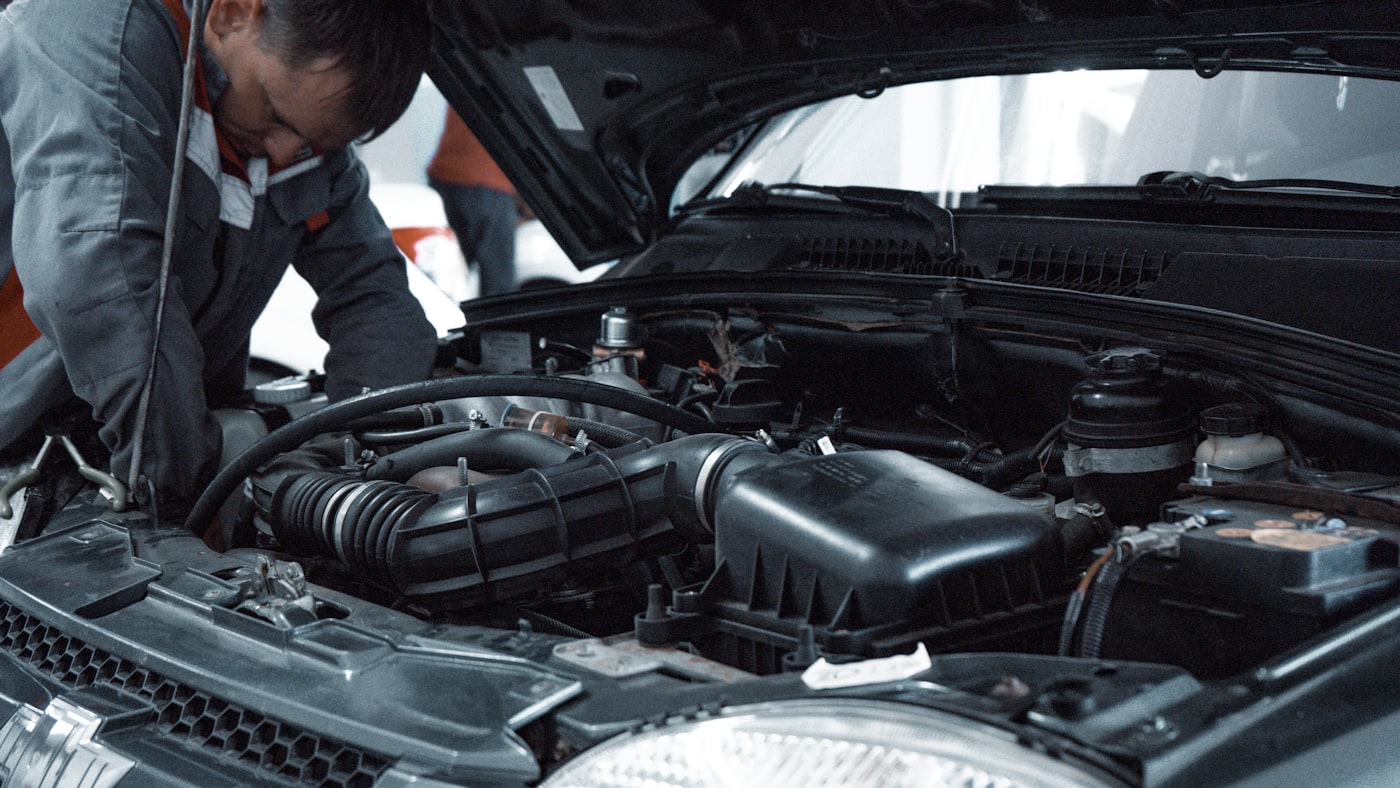
If there is one moment worth investing 30-60 focused minutes in your car, it is before a long trip. During peak holiday periods such as summer vacations, Christmas, and Easter, vehicles usually carry more weight, run long continuous distances, and face road conditions very different from daily city driving. That means more heat stress, higher brake and tire load, and less room for error. The purpose of this guide is not to scare you. The purpose is to help you leave calmly, knowing your vehicle is prepared in a realistic and practical way.
This is a mechanic-style, human-first guide. We will go step by step: what to check 7-10 days before departure, what to confirm the day before travel, what to do on departure morning, and which warning signs mean you should pause the trip and fix the issue first. You will also find internal links to related maintenance articles and trusted external resources. Keep this page open and use it as a working checklist, not just a one-time read.
How to use this guide effectively
Open your notes app and create checkboxes. Mark each item as completed. If something feels unclear, treat it as an inspection point for your workshop. The logic is simple: safety first, reliability second, comfort third. Most travel breakdowns are not random bad luck. They are often small warning signs that were ignored because there was no preparation routine. Once you follow a clear routine, the risk drops significantly.
7-10 days before departure: preventive check window
The best time for a pre-trip check is about one week before departure. Why this early? Because if a part needs replacement or extra diagnostics, you still have scheduling flexibility. A common mistake is waiting until the last evening and then trying to "make it work" under time pressure. If you want a full pre-trip inspection, you can book through our contact page.
At this stage, check the following:
- Service history: when were oil, filters, brake fluid, battery, and coolant last serviced?
- Dashboard behavior: any active warning lights or unusual messages?
- Visual underbody check: any fresh leak marks on your parking spot?
- Tire condition: tread wear pattern, sidewall cuts, visible damage.
- Braking feel: vibration, pulling left/right, squealing, delayed response.
If any item is uncertain, do not postpone it. Long-distance travel is not the time to test unresolved issues.
Engine oil and fluids: small cost, major protection
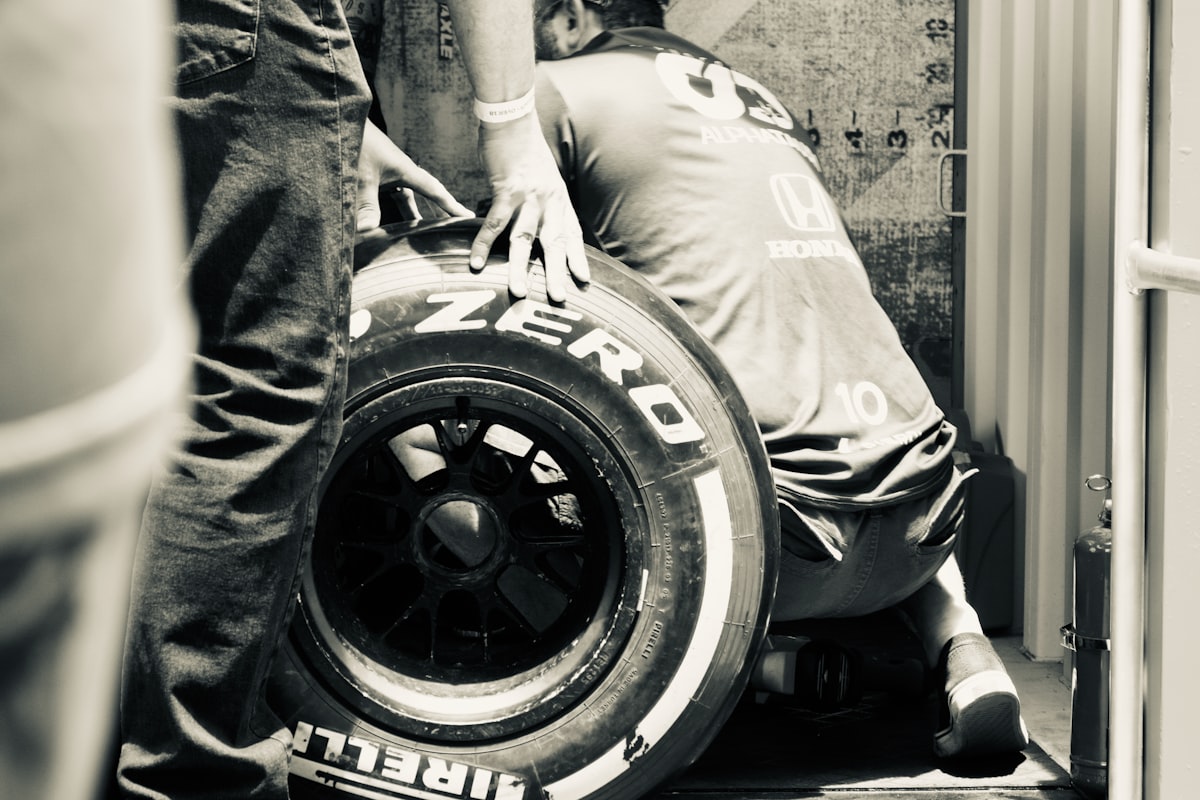
Correct oil condition and level directly affect engine temperature, wear, and efficiency. If you are close to your next oil interval, service it before the trip, not after. This is especially important for heavily loaded highway driving in hot weather. For deeper context, read our article Oil changes: the intervals that actually protect your engine.
Also verify:
- Coolant level and condition.
- Brake fluid condition (old, dark fluid may require service).
- Windshield washer fluid, especially for winter and long motorway use.
- Power steering fluid (where applicable) and leak indicators.
A repeated drop in any fluid level is not "normal consumption" by default. It often points to leakage or another underlying issue and should be diagnosed before travel.
Tires: all safety starts where the car meets the road
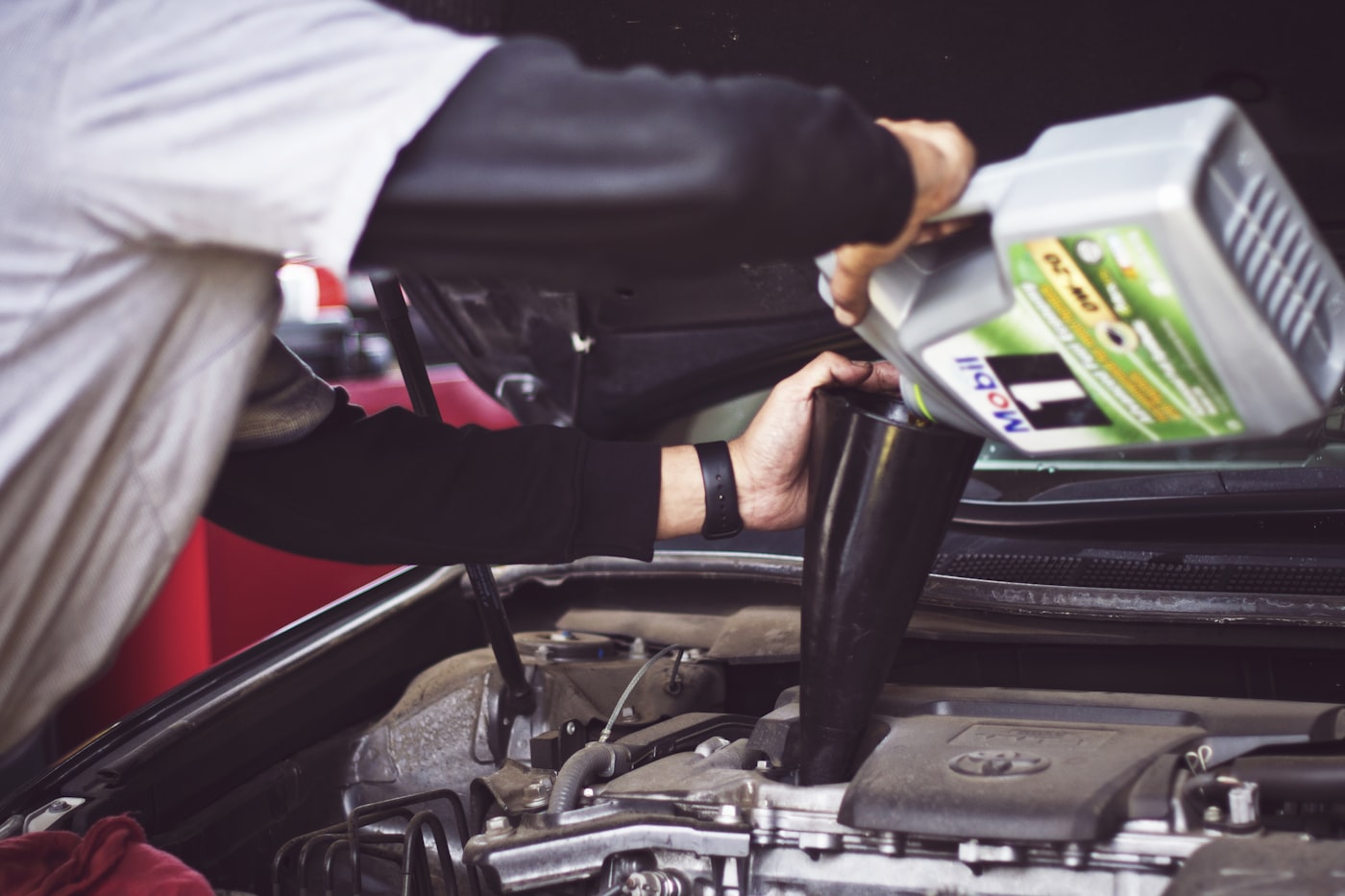
Tires influence braking distance, wet grip, fuel economy, and high-speed stability. A quick visual look is not enough. First, set pressure to the manufacturer values shown on the door sticker/manual. Second, inspect tread for uneven wear. Third, inspect sidewalls for cuts, bulges, and impact damage.
Important: check tire pressure when tires are cold, not immediately after driving. Also check your spare tire (if equipped) or tire repair kit. One of the most common holiday-travel problems is discovering a flat spare when you actually need it. For more detail, read Tire safety: the simple monthly checks that matter.
Brakes: what stops the car protects everyone in it
If you hear noise, feel steering vibration under braking, notice a soft pedal, or experience uneven braking direction, do not start a long trip without inspection. There is no safe "I will monitor it on the road" approach with brakes. During long-distance driving, brake temperatures and loads increase. A minor city issue can become a serious highway risk quickly.
For practical guidance, check Brake noises: what to check first. If you are uncertain, the safe decision is simple: inspect first, travel second.
Battery and charging system: low-cost prevention of high-stress failure
Batteries often fail with little warning. You may have one normal start and the next attempt may struggle. Before long travel, especially in winter (Christmas period), test battery health and charging performance. If the battery is near end-of-life, preventive replacement is usually better than roadside immobilization far from home.
Red flags include:
- Slow crank on cold starts.
- Flickering lights at idle.
- Battery older than 4-5 years with no recent test data.
Cooling system and A/C: essential in summer and mountain routes
Summer travel puts the cooling system under heavy stress, especially with full load, hills, traffic, and high ambient temperatures. If coolant quality is poor, fans are weak, or a minor leak exists, temperature can rise quickly. A/C is not just comfort in this context. Driver focus and fatigue are strongly affected by cabin temperature and airflow quality.
If cooling is weak, smell is unusual, or cabin comfort changes unpredictably, inspect before travel. For extra details, read A/C maintenance and cabin comfort.
Visibility checks: wipers, lights, windshield condition
Visibility is often underestimated until weather conditions become difficult. For night, rain, or mixed weather travel, clean and effective visibility is a primary safety factor. Check that wipers clear properly without streaks, all lights operate, and headlamp lenses are not heavily faded. Small fixes here can dramatically improve confidence and reaction time.
Emergency kit and legal documents
Before departure, confirm you have warning triangle, first aid kit, reflective vest, flashlight, phone charger, and essential roadside tools. Also verify your legal/operational documents: registration, insurance details, and inspection status where required.
A practical technician tip: keep three important phone numbers written on paper (roadside assistance, workshop contact, emergency family contact). If your phone battery dies at the wrong moment, paper backup can save valuable time.
Vehicle loading: handling changes more than most drivers expect
Holiday trips usually mean extra luggage and passengers. Poor loading can change braking behavior, cornering balance, and fuel consumption. Heavy items should go low and centered, not high or far behind the rear axle. If you use a roof box/rack, respect weight limits and secure load correctly. In many vehicles, loaded travel requires adjusted tire pressure based on manufacturer guidance.
Departure morning: the practical 10-minute check
Even after full preparation, perform a quick final check:
- Walk around all four tires and check appearance.
- Look briefly under the car for any fresh leak.
- Test lights and indicators.
- Clean windshield and verify washer fluid.
- Set route and backup route in navigation.
Do not start exhausted, and do not leave fuel for "later". A calmer first hour usually means a smoother full-day drive.
During the trip: what to monitor in real conditions
Take a short break roughly every two hours. This benefits both driver and vehicle. During each stop, listen to idle sound, check for unusual smell, and quickly inspect tires. If anything feels different from normal, do not ignore it. Dashboard temperature behavior, brake feel, and warning lights should remain stable through the route.
For warning-light context, see Check engine light: when it is urgent. Early reaction is always easier and cheaper than forced roadside response.
Season-specific focus: Summer, Christmas, Easter
Summer travel
High temperatures increase cooling and tire stress. Prioritize coolant condition, fan operation, tire pressure, and safe load management. Park in shade when possible and avoid aggressive driving in peak heat.
Christmas travel
Cold weather increases battery demand and visibility challenges. Prioritize battery test, defogging performance, washer fluid quality, and full lighting check. Increase following distance on cold/wet roads.
Easter travel
Easter routes often combine heavy traffic and variable weather. Prioritize driver rest, route flexibility, tire pressure checks, and realistic scheduling to reduce fatigue and rushed decisions.
When not to start the trip before workshop inspection
- Warning light with unstable engine operation.
- Brake vibration/noise with reduced braking confidence.
- Overheating signs or coolant loss.
- Tire sidewall damage, severe wear, or visible bulge.
- Persistent hard starts or charging issues.
In these cases, postponing departure is not overreaction. It is the responsible and often lower-cost decision.
Save this quick checklist
- 7 days before: fluids, tires, brakes, battery, warning scan.
- 3 days before: short city test drive and visibility checks.
- 1 day before: correct loading, documents, route, fuel plan.
- Departure morning: 10-minute final walk-around.
- On route: regular breaks and quick safety inspection.
5 common pre-holiday mistakes we see every year
Mistake 1: \"I will set tire pressure on the way.\" Pressure should be set before departure, with cold tires and your planned load in mind. Mistake 2: ignoring a \"small\" new noise. If it affects steering or braking feel, it is not a minor detail. Mistake 3: starting with very low fuel and hoping to refill later. On peak travel days that creates unnecessary pressure. Mistake 4: overloading without balanced weight placement. Mistake 5: beginning the trip already fatigued.
None of these mistakes requires advanced technical knowledge to avoid. They require organization and realistic planning. If your pre-departure days are busy, schedule a fixed car-prep window just like you schedule packing. Car preparation is part of travel, not an optional extra task. The cheapest repair is often the one you prevent.
After you return: quick post-trip health check
Maintenance does not end when the trip ends. After long-distance driving, recheck tire pressure, oil condition, coolant level, and brake feel. If anything felt unusual during the route, write it down and inspect it early while details are still clear in your mind. This small habit prevents minor post-trip issues from becoming larger problems before your next long journey.
If you want to go through this checklist with a technician, book a pre-trip inspection through our contact page. The best travel feeling is not speed. It is confidence.
Useful external references: NHTSA Road Safety, Michelin Auto Advice, AA Driving Advice.